Fish and Seafood
Investments in Fish and Seafood Production and Export
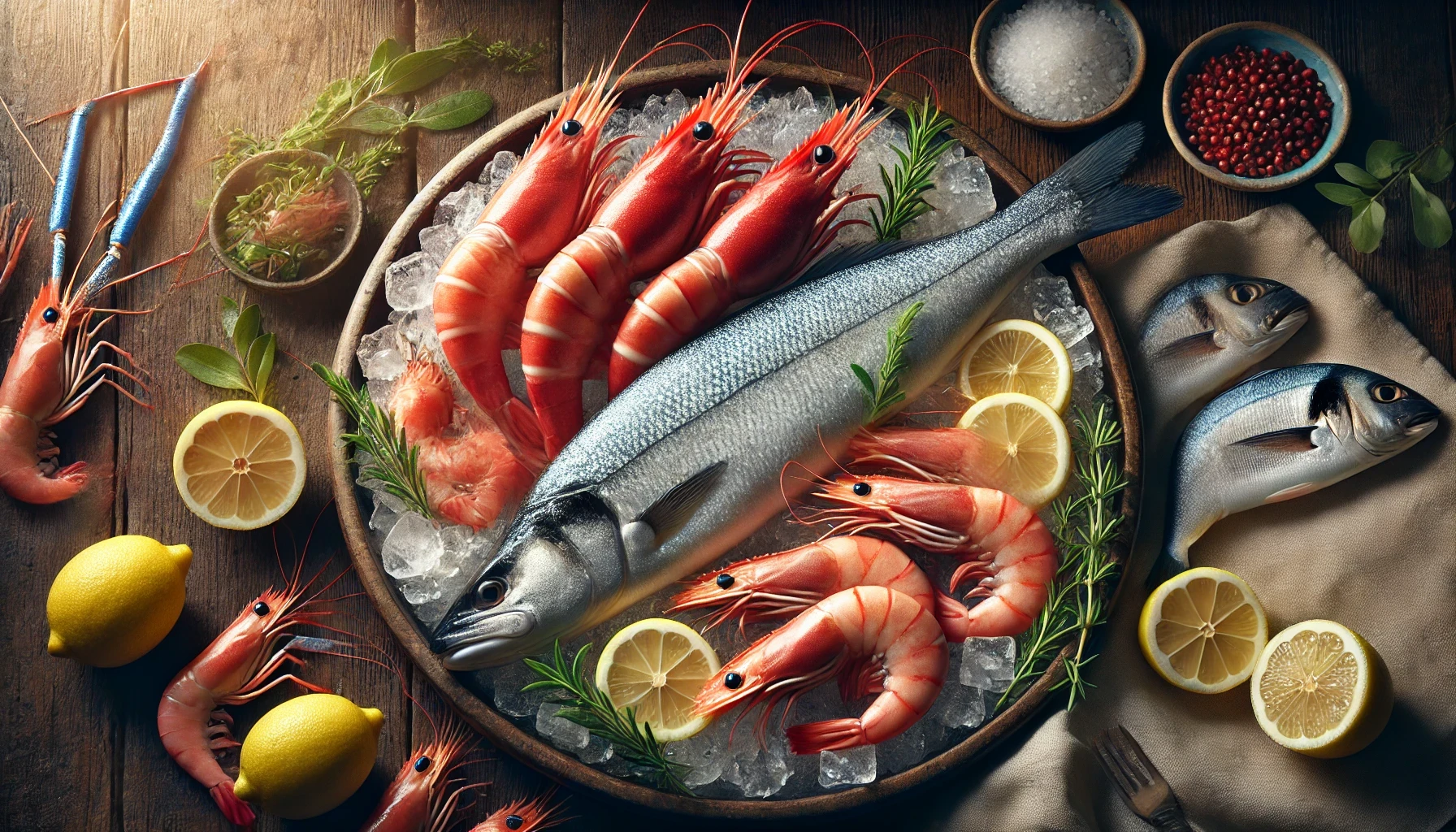
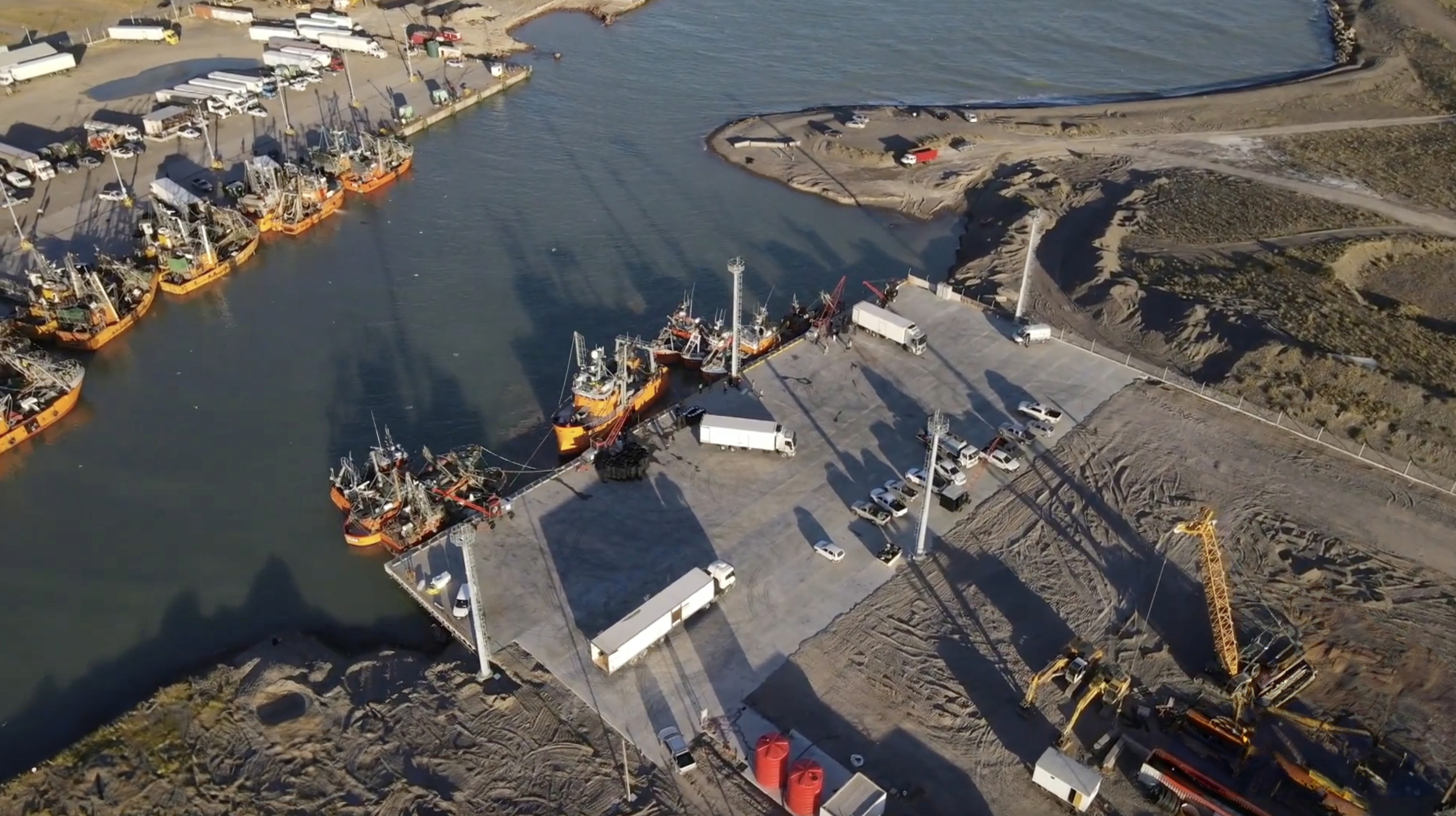
Argentina plays a key role in the global wild shrimp industry, standing out as one of the leading fishing zones in the world for this high-quality product. Since 2022, we have strategically invested in this sector, closely collaborating with important fishing and seafood processing companies in Patagonia.
Thanks to these alliances, we distribute ready-to-consume Patagonian red shrimp in various international markets. Currently, our annual exports reach an average of 15,000 tons, positioning us as a relevant player in the global supply chain of premium seafood.
In January 2025, the acquisition of the fishing group Cabo Virgenes took place, a company with 15 years of experience dedicated to the fishing, processing, and commercialization of marine products.
Our operational bases are located in Chubut, Argentina, and in Palencia, Spain. We have a fleet and processing plants and currently export to more than 50 countries. While we have a diversified production, shrimp is our main product.
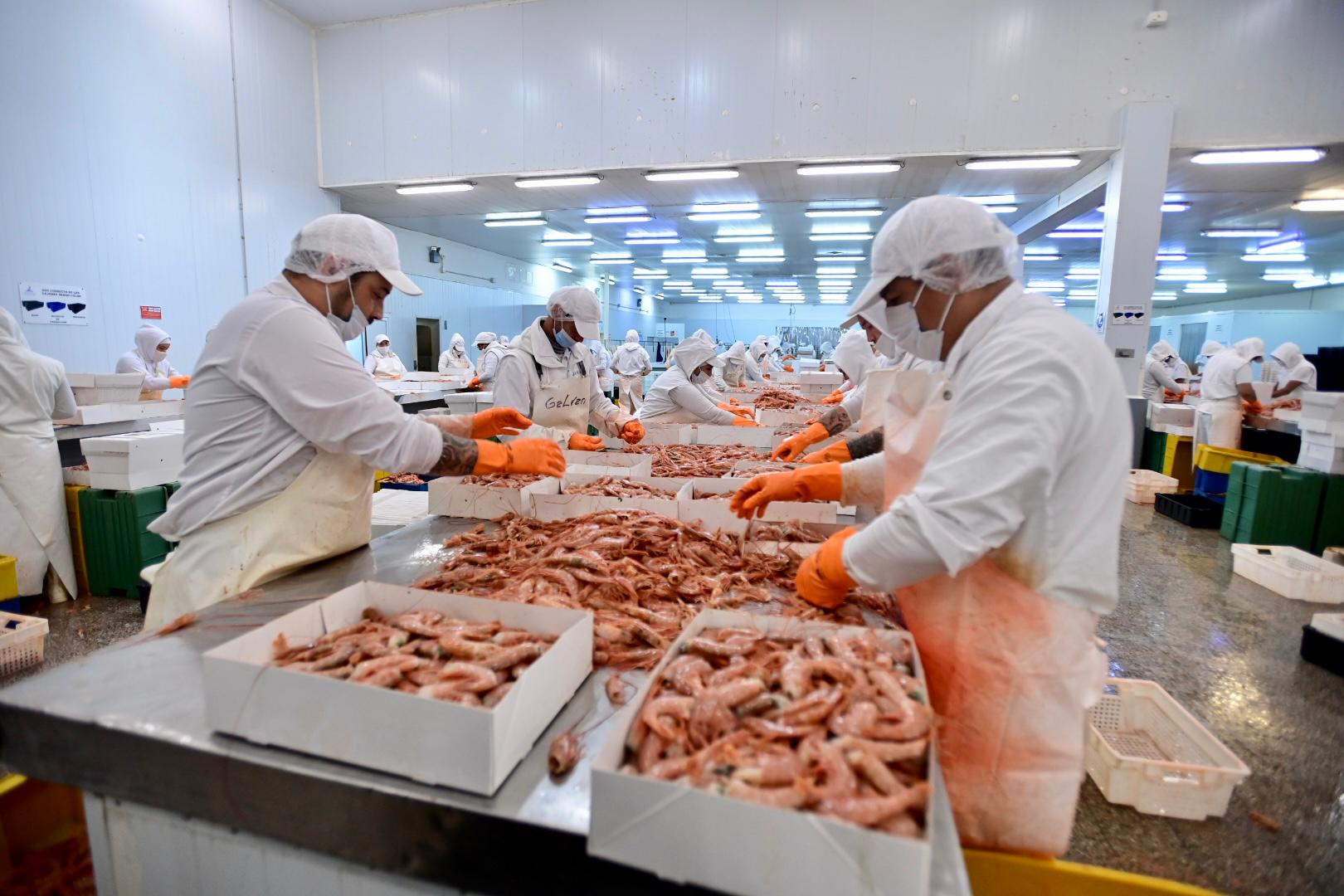
The main plant is situated in Argentina, covers an area of more than 10,000 m2, and is equipped with modern processing and packaging systems. It has a freezing capacity of 60 tons per day, allowing it to produce and export over 10,000 tons annually with excellent freshness and quality standards.
Our operations center is located in Palencia, Spain. From there, all international logistics, marketing, and, in some cases, reprocessing are coordinated, generating more added value to the production.
We have a fleet of our own and third-party boats with exclusive supply that catch southern shrimp along the Argentine coast, complying with the strictest international regulations to ensure the conservation of the species and environmental care.
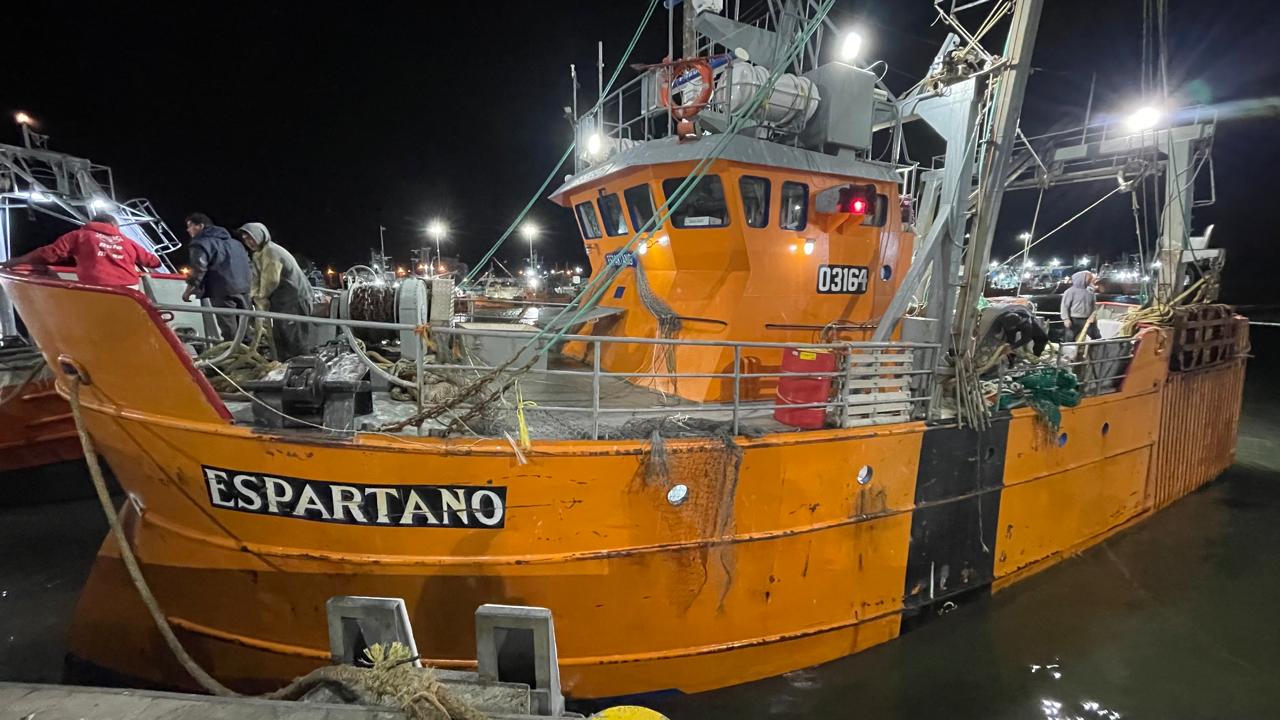
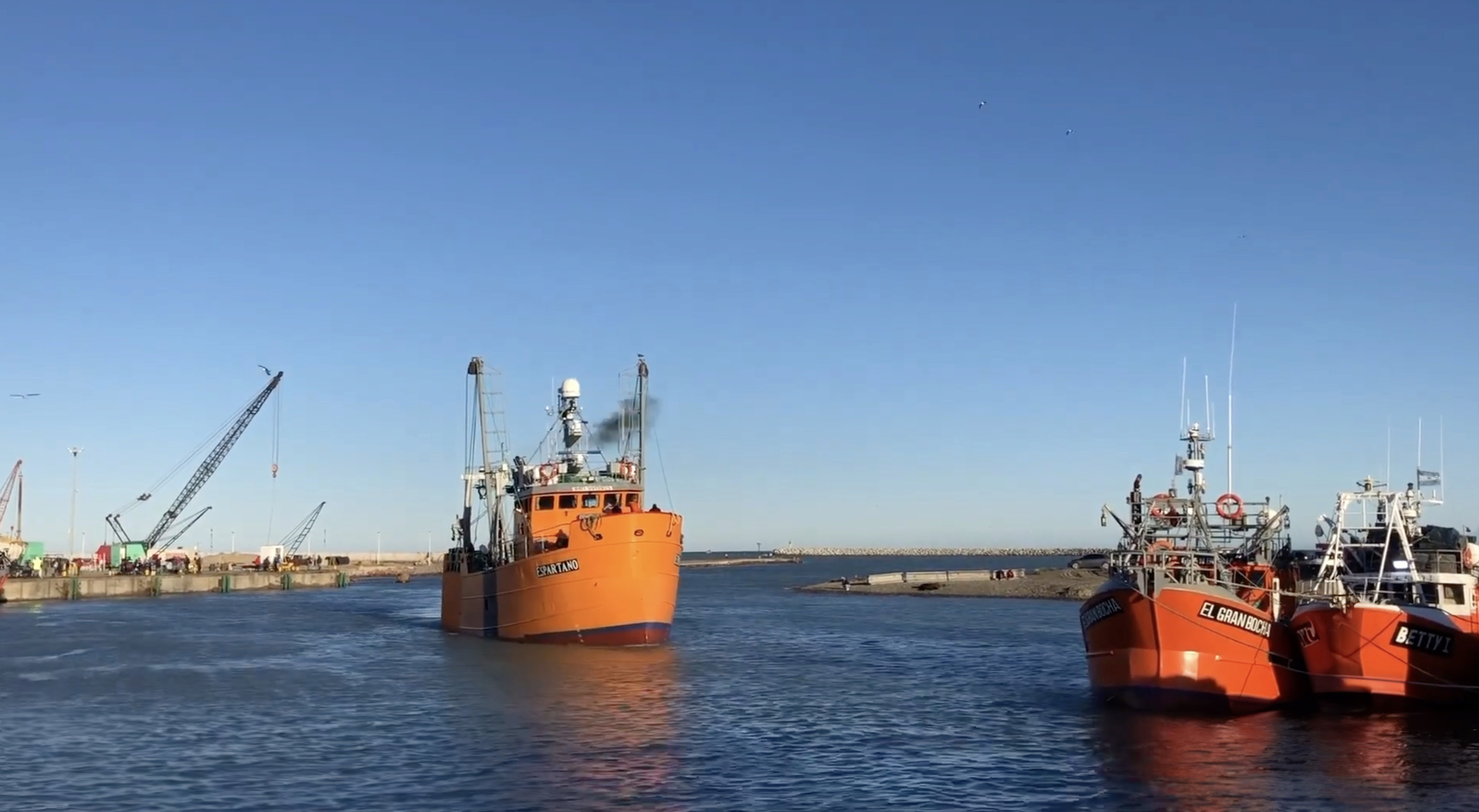
We have Fresh and Freezing boats. The flagship vessel of Cabo Vírgenes is the emblematic Espartano, which can fish shrimp within 12 miles of the coast and beyond up to the 200-mile mark. It is always among the top positions in fishing rankings, capable of capturing more than 2,200 tons annually.
Argentina plays a key role in the global wild shrimp industry, standing out as one of the leading fishing zones in the world for this high-quality product. Since 2022, we have strategically invested in this sector, closely collaborating with important fishing and seafood processing companies in Patagonia.
Thanks to these alliances, we distribute ready-to-consume Patagonian red shrimp in various international markets. Currently, our annual exports reach an average of 15,000 tons, positioning us as a relevant player in the global supply chain of premium seafood.
In January 2025, the acquisition of the fishing group Cabo Virgenes took place, a company with 15 years of experience dedicated to the fishing, processing, and commercialization of marine products.
Our operational bases are located in Chubut, Argentina, and in Palencia, Spain. We have a fleet and processing plants and currently export to more than 50 countries. While we have a diversified production, shrimp is our main product.
The main plant is situated in Argentina, covers an area of more than 10,000 m2, and is equipped with modern processing and packaging systems. It has a freezing capacity of 60 tons per day, allowing it to produce and export over 10,000 tons annually with excellent freshness and quality standards.
Our operations center is located in Palencia, Spain. From there, all international logistics, marketing, and, in some cases, reprocessing are coordinated, generating more added value to the production.
We have a fleet of our own and third-party boats with exclusive supply that catch southern shrimp along the Argentine coast, complying with the strictest international regulations to ensure the conservation of the species and environmental care.
We have Fresh and Freezing boats. The flagship vessel of Cabo Vírgenes is the emblematic Espartano, which can fish shrimp within 12 miles of the coast and beyond up to the 200-mile mark. It is always among the top positions in fishing rankings, capable of capturing more than 2,200 tons annually.